
Learn Kung Fu in China - Shaolin, Wudang & Kung Fu Schools
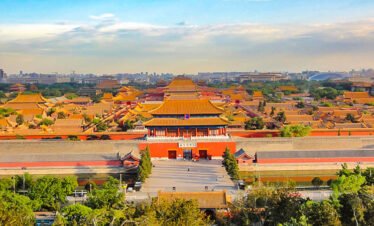
China, a vast and diverse country in East Asia, is celebrated for its rich history, stunning landscapes, and vibrant culture. As one of the world’s oldest civilizations, it features iconic landmarks like the Great Wall and the Forbidden City.
Home to over 1.4 billion people, China blends ancient traditions with modern advancements. Its geographical diversity includes mountains, rivers, and deserts, while its renowned cuisine offers a wide array of flavors. With a strong focus on innovation and economic growth, China stands as a global powerhouse.
Visitors can immerse themselves in a unique cultural tapestry, exploring traditional festivals alongside contemporary art scenes. Discover the wonders of China, where history and modernity coexist harmoniously. Learn Kung fu in China if you want an adventure you’ll never forget.
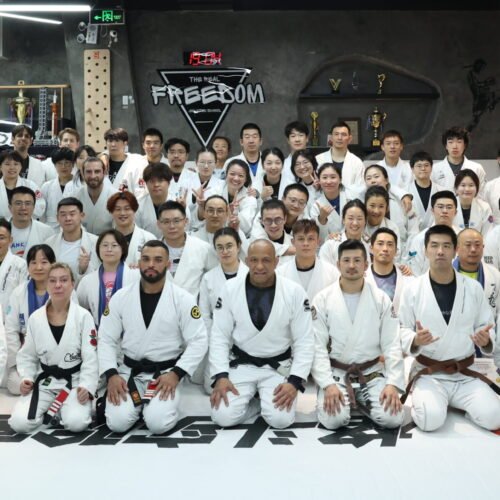
Brazilian Jiu-Jitsu (BJJ) Training Worldwide
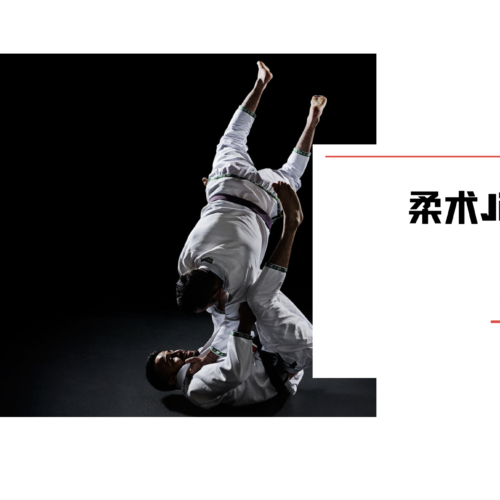
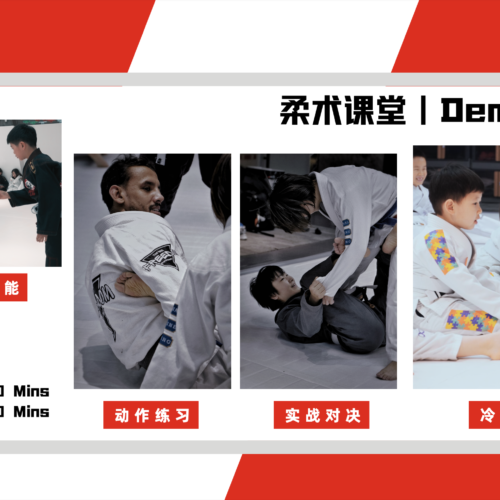
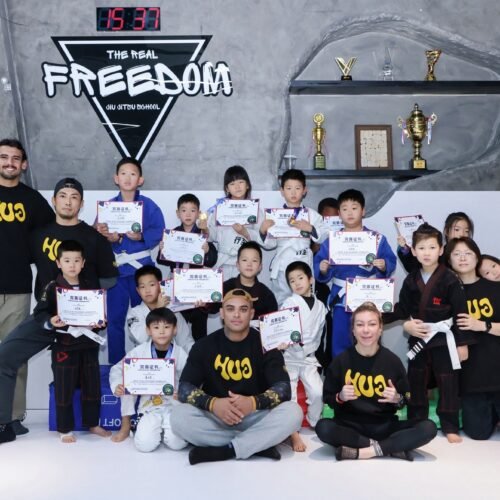
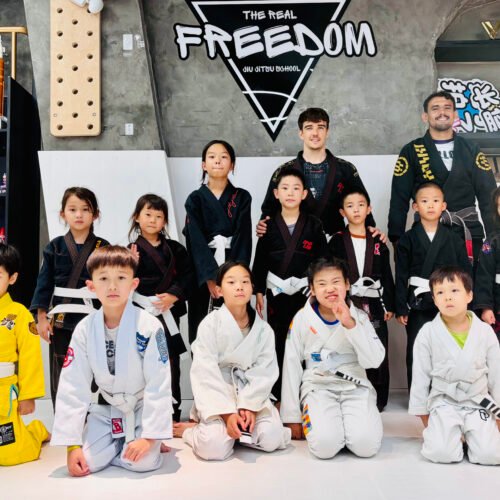
Brazilian Jiu-Jitsu (BJJ)


Chinese Martial Arts
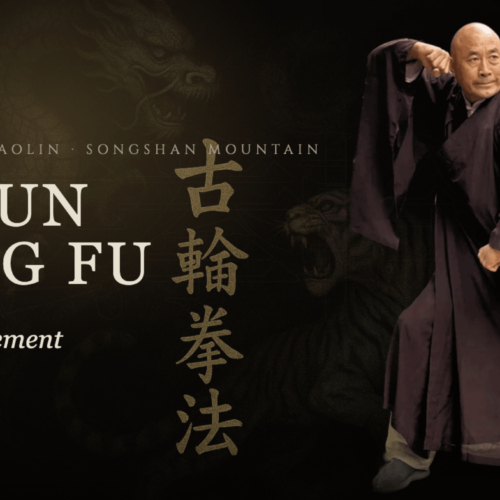
Chinese martial arts are deeply rooted in Chinese culture and history, reflecting centuries of philosophical thought and practical application. Each style, whether it’s the flowing sequences of Tai Chi, the explosive techniques of Wing Chun, or the powerful strikes of Hung Gar, carries its own set of principles and training methods that often draw from traditional Chinese medicine and philosophy.
Practitioners engage in rigorous training that emphasizes not only physical prowess but also mental focus and emotional balance. This holistic approach encourages a deeper connection between body and mind, fostering attributes such as patience, humility, and perseverance. Moreover, many martial arts schools incorporate elements of Chinese history, mythology, and spiritual teachings, enriching the learning experience.
As students progress, they often find that the lessons learned on the mat extend into everyday life, enhancing their ability to face challenges with confidence and grace. Whether for self-defense, fitness, or personal growth, Chinese martial arts provide a comprehensive framework for individuals seeking to improve their physical and mental well-being.
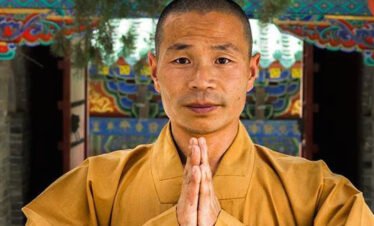
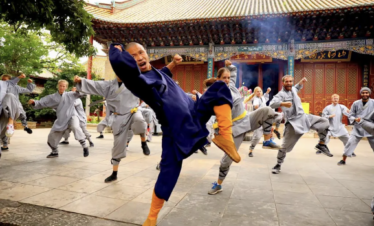
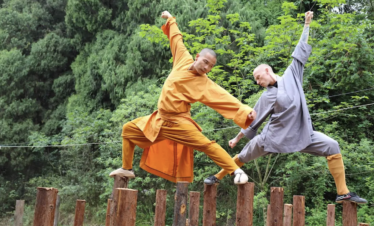
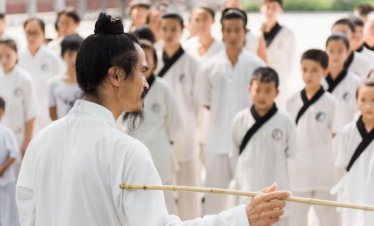

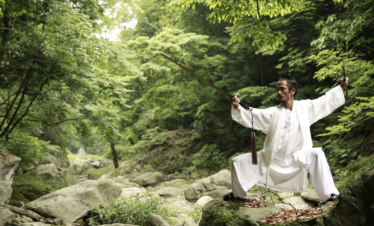
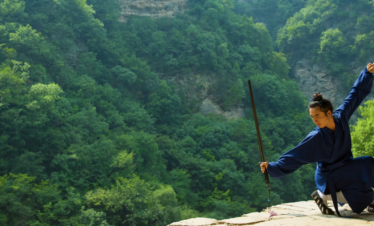
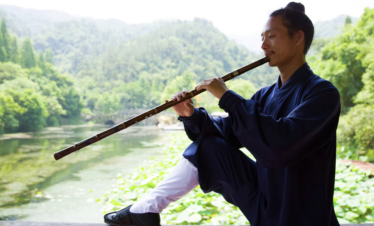
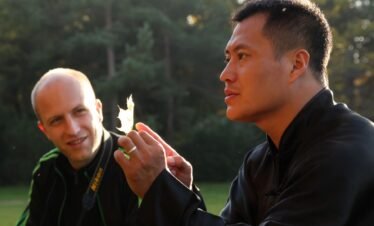
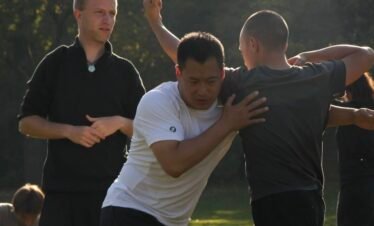
An Wushu
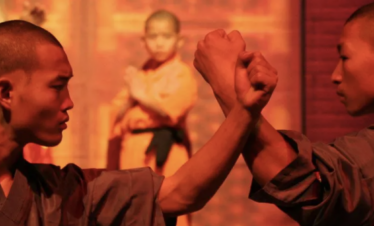
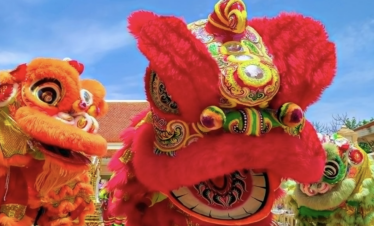


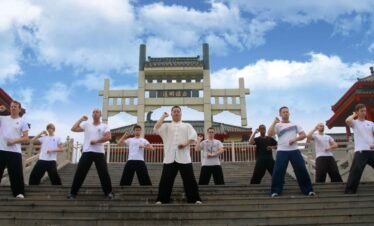





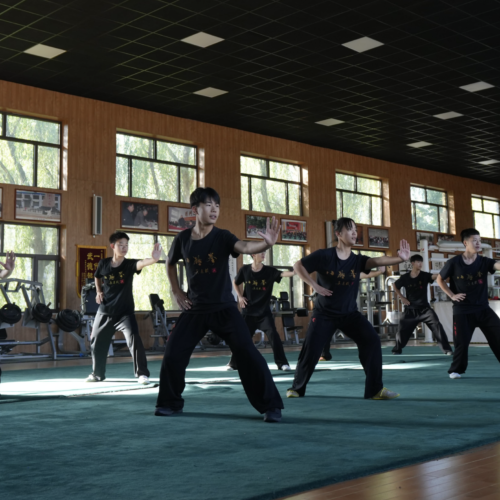
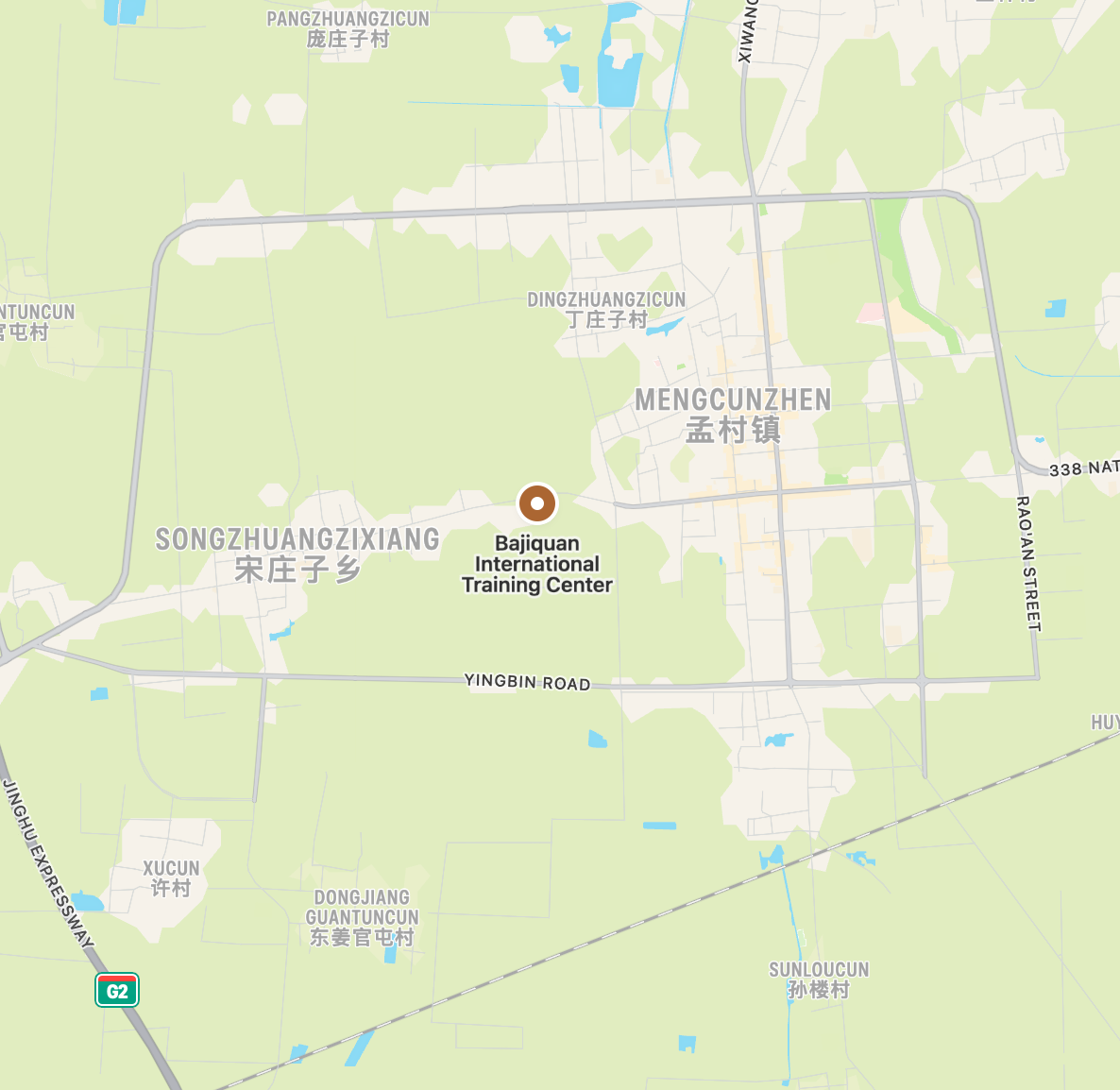
Baji Quan International Training Center
Lion and Dragon Dance
The Lion and Dragon Dance are China’s most recognizable cultural performances — and two of its most demanding physical arts. With origins reaching back over two millennia (the dragon dance to the Han Dynasty, the lion dance to the Tang Dynasty), these traditions have traveled far beyond China’s borders: today they headline Chinese New Year celebrations, business openings and cultural festivals in virtually every country in the world. At StudyMartialArts.Org you can Learn Lion and Dragon Dance in China at a residential martial arts school.
At first glance they are spectacle. Look closer and they are martial art. Both dance forms grew directly from kung fu tradition, and both remain part of the curriculum in Shaolin and wushu schools worldwide. The strength, balance, coordination and endurance required to perform them are the same qualities martial artists train daily — which is why learning lion and dragon dance deepens kung fu practice rather than competing with it.
The Lion Dance is performed by two dancers animating a single lion — one controlling the expressive head, one the tail — through acrobatic jumps, playful interaction with the audience, and the ritual “cai qing” (plucking the greens), all driven by the thunder of drums, cymbals and gongs. The Dragon Dance challenges a whole team to bring a dragon costume, sometimes over 20 meters long, to life through spiraling turns, rising and falling waves, and flowing serpentine patterns that demand perfect synchronization. In both, mastery is as much about rhythm and teamwork as movement.
The symbolism gives the art its soul. The dragon carries wishes of power, luck and prosperity; the lion embodies courage and protection, its noise and energy said to ward off evil spirits. Performers don’t merely dance — they carry blessings into homes and businesses, a role that has made lion dance a fixture of feng shui practice and of Chinese cultural identity across the diaspora.
One of the art’s great strengths is accessibility. No prior experience is required, training adapts to any age and fitness level, and progression is fast — beginners typically learn head movements, paw work and basic body turns in their first sessions. For those who want more, lion and dragon dance have thriving competitive scenes at local, national and international level, with teams and championships around the globe.
Beyond technique, practitioners gain something harder to teach: teamwork under pressure, cultural fluency, and membership in a living tradition that spans continents. Few experiences bond a group faster than bringing a dragon to life together — and few martial arts skills are as instantly recognizable, or as joyfully received, anywhere on Earth.
Whether you encounter lion and dragon dance as part of a kung fu program, a cultural workshop, or a performance team in your own city, it offers the same rare combination: a genuine martial workout, a window into Chinese culture, and the thrill of stepping into a tradition over two thousand years young.
Martial Arts and Language Learning
Martial Arts and Language Learning, Train Hard, Speak the Language, Live the Culture
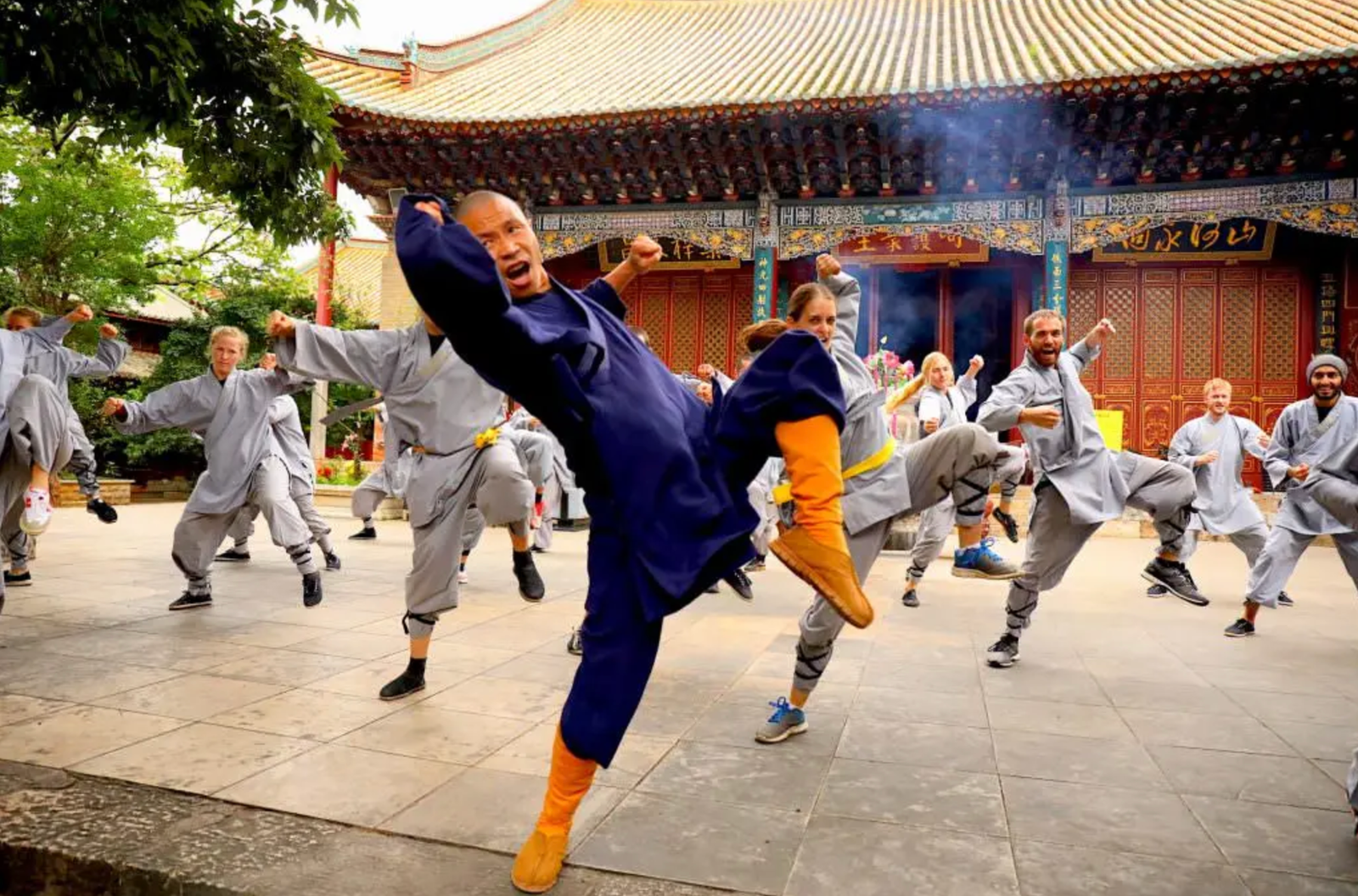
The deepest martial arts travel experiences share one thing in common: language. When you can understand your master’s corrections in Mandarin, hear the rhythm of a Japanese dojo in Japanese, or follow a Thai trainer’s commands in Thai, training stops being a class and becomes immersion — in the art, its history, and the culture that created it.
Combining martial arts training with language learning is one of the most effective — and most overlooked — ways to travel with purpose. Martial arts schools are natural language classrooms: instruction is physical, repetitive and contextual, so vocabulary sticks. You don’t just memorize words for “stance” or “punch” — you hold the stance and throw the punch while hearing them, session after session. Students consistently report that language learned this way, embedded in movement and daily routine, survives long after textbook learning fades.
The model looks different around the world. In China, traditional kung fu schools have long offered Mandarin classes alongside full-time training — from free twice-weekly evening lessons to intensive half-day language programs — often paired with calligraphy, tea ceremony and martial theory. In Japan, visitors combine kendo, iaido or samurai sword experiences with Japanese study, where the etiquette and philosophy of budo become a doorway into the language. In Thailand, Muay Thai camps double as Thai-language immersion, with trainers’ commands, gym etiquette and the ritual of the sport itself teaching as much as any classroom.
The benefits extend far beyond the training hall. Language ability transforms the whole journey — market visits, temple stays, shared meals with training partners, and the off-mat friendships that become the real souvenir of a martial arts trip. It also changes how you’re received: a student who greets their master in their own language is no longer a tourist of the culture but a participant in it.
No prior language experience is needed. Most programs are built for absolute beginners and scale from a few polite phrases to serious study, with options for formal certification alongside your training.
Where to Combine Martial Arts Training with Language Learning
China: Mandarin + Kung Fu
China offers the most established language-and-martial-arts programs in the world, with residential kung fu schools that have taught international students for decades.
Yuntai Shan International Culture & Martial Arts School (Henan) — full-time kung fu training with free twice-weekly Mandarin lessons included; an optional half-time program combines half-day training with half-day intensive Mandarin study.
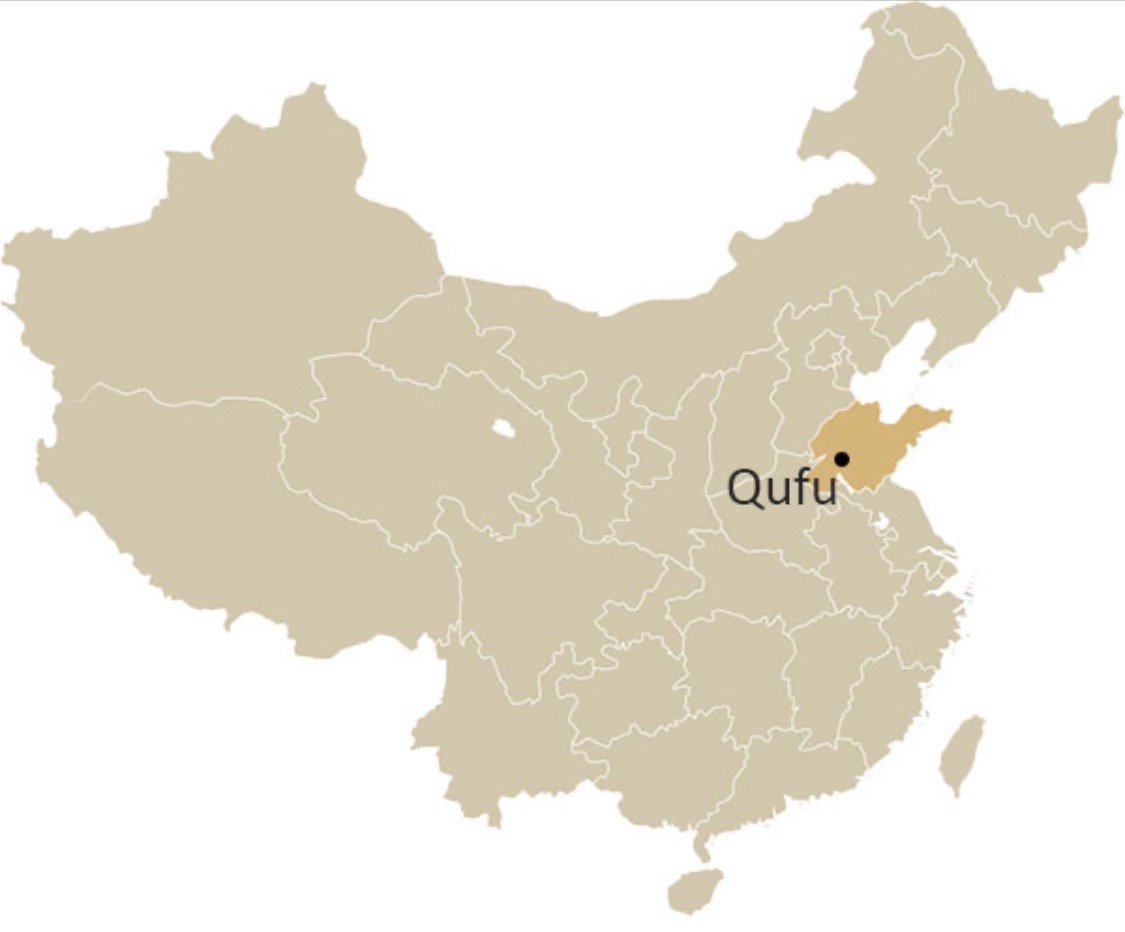
Qufu Shaolin Kung Fu School (Shandong) — free optional evening Mandarin classes alongside Shaolin Kung Fu, Sanda, Tai Chi and Qigong, with calligraphy, massage and Buddhism theory; academic Mandarin with HSK preparation can be arranged through a local university.
Shaolin Temple Training Center (Xingtai, Hebei) — Mandarin classes following the official HSK curriculum, two hours weekly, plus Monday–Thursday evening online culture classes in Mandarin, Chinese medicine and traditional culture; optional Chinese Culture and TCM certificates awarded alongside kung fu certification.
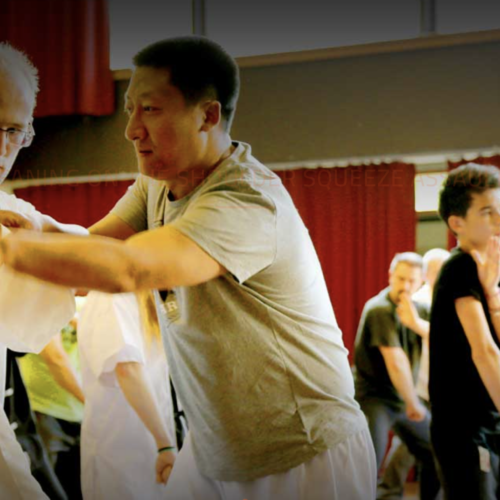
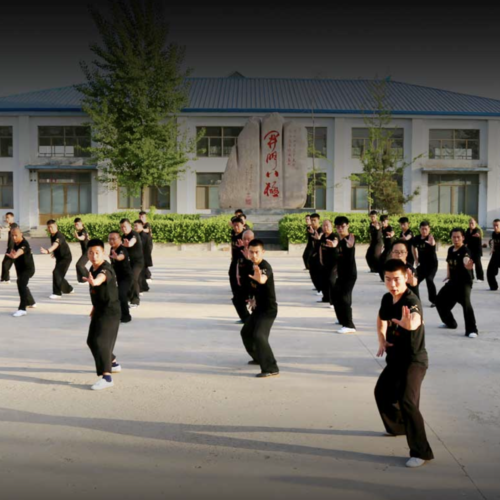
An Wushu (Shangdong) — split program combining kung fu training at the school with Mandarin classes at a local university, arranged through www.StudyMartialArts.Org alongside traditional styles including traditional kung fu and weapons training.
An Family Wushu — Beijing & Dezhou (Beijing and Shandong) — martial arts and cultural exchange camp combining family-lineage kung fu training in Dezhou with a Beijing orientation, with Mandarin woven into training and daily life, as a culture and language immersion.
Japan: Japanese + Budo
Japan’s options center on kendo and sword traditions, where the etiquette and philosophy of budo open a natural doorway into the language.
SAMURAI TRIP (Tokyo, Osaka, Kyoto, Fukuoka, Sapporo) — guided kendo experience tours with English-speaking instructors, kendo equipment workshops and Japanese culinary experiences; ideal for shorter stays.
Kendo Spirit Dojo (Tokyo) — ongoing kendo classes designed for international students with full English support, for those who want training beyond a single session.
Kyoto Kendo Experiences (Kyoto) — instruction from a warrior-lineage teacher covering kendo technique and bushido philosophy in English, with a strong cultural-history component.
Many long-stay visitors pair a Japanese language school in Tokyo or Kyoto with membership at a local dojo — the Japan Sport Agency’s budo tourism portal lists official experience programs nationwide.
Thailand: Thai + Muay Thai
Muay Thai camps in Bangkok, Phuket and Chiang Mai are immersive by nature: trainers coach in Thai, and the ritual, etiquette and commands of the sport teach the language from your first session.
Muay Thai camps with Thai-language components — a growing number of camps now bundle structured Thai lessons with training; specialized courses such as “Thai for Muay Thai” teach exactly the vocabulary fighters need, from equipment and commands to numbers and ring culture.
Program details change — confirm current schedules and pricing directly with each school before booking.
Frequently Asked Questions
Do I need to speak the language before I arrive?
No. Every program listed here is built for absolute beginners, and martial arts instruction itself is a language lesson — you learn by moving, not by memorizing.
How much language can I realistically learn during a short stay?
In a few weeks you can expect survival phrases, training vocabulary and solid pronunciation. In three to six months of the half-day programs, committed students reach conversational level — and can test for HSK certification in China.
Is the language learning formal or informal?
Both. Most schools include informal lessons woven into training; classroom-style courses with textbooks and exams are available at the more structured programs. Ask each school which model fits your goals.
Can I train martial arts without doing the language component?
Yes — language classes are optional add-ons almost everywhere. The combination is simply where the deepest experience lies.
Start Your Training — and Your Language Journey
Browse our partner schools to compare programs, or contact us if you’d like help choosing the right combination of style, duration and language intensity for your goals. We will provide you independent advice based on your goals. We are not a middle man we are your training partner and our focus is getting you to the right school based on your goals, funds available and time.
An Wushu
Martial Arts, Culture and Travel
A Journey of Discipline and Discovery
Martial arts are more than just physical combat—they are a gateway to understanding culture, history, and personal growth. For travelers seeking unique experiences, combining martial arts training with exploration offers a profound way to connect with local traditions. From the sacred dojos of Japan to the vibrant Muay Thai camps of Thailand, martial arts tourism is a growing trend that blends fitness, adventure, and cultural as well as language immersion.
The Cultural Roots of Martial Arts
Every martial art carries the essence of its birthplace. In Japan, disciplines like Karate, Judo, and Kendo emphasize respect, discipline, and the samurai’s Bushido code. Training in a traditional dojo often includes bowing rituals and meditation, reflecting Zen Buddhist influences. Meanwhile, China’s Kung Fu—especially Shaolin styles—integrates Taoist and Buddhist philosophies, focusing on harmony between mind and body.
In Thailand, Muay Thai is more than a sport—it’s a national symbol. Fighters perform the Wai Kru dance before matches, paying respect to teachers and ancestors. Similarly, Brazil’s Capoeira blends martial arts, dance, and music, rooted in the resistance of enslaved Africans. Understanding these cultural layers enriches the training experience, turning each session into a lesson in history and tradition.
Top Destinations for Martial Arts Travel
Japan: The Way of the Warrior
Kyoto & Okinawa: Train in Karate’s birthplace or practice Kendo in historic dojos.
Tokyo: Experience Aikido or Judo at world-renowned schools like the Kodokan Institute.
Cultural Bonus: Attend a tea ceremony or visit a samurai castle to deepen your understanding of Bushido.
Thailand: The Art of Eight Limbs
Bangkok & Chiang Mai: Train at legendary Muay Thai camps like Fairtex or
Tiger Muay Thai.
Cultural Bonus: Witness a Muay Thai fight at Rajadamnern Stadium and explore Buddhist temples to see the spiritual side of the sport.
China: The Home of Kung Fu
Shaolin Temple: Train with monks in the birthplace of Shaolin Kung Fu.
Wudang Mountains: Learn Tai Chi amid misty peaks and ancient Taoist temples.
Cultural Bonus: Participate in meditation sessions and explore the Great Wall for a full cultural experience.
Brazil: Rhythm and Combat
Salvador da Bahia: Immerse yourself in Capoeira, where martial arts meets Afro-Brazilian culture.
Rio de Janeiro: Train Brazilian Jiu-Jitsu (BJJ) where the Gracie family revolutionized combat sports.
Cultural Bonus: Join a Capoeira roda (circle) with live berimbau music and acrobatics.
How to Plan a Martial Arts Travel Experience
Choose Authentic Schools: Look for certified instructors with traditional teaching methods.
Combine Training with Sightseeing: Visit temples, historical sites, and local festivals.
Respect Local Customs: Learn basic etiquette, such as bowing in Japan or performing the Wai Kru in Thailand.
Why Martial Arts Travel is Transformational
Training in martial arts while traveling is more than a workout—it’s a journey into discipline, culture, and self-discovery. Whether you’re meditating with Shaolin monks, sparring in a Thai gym, or dancing Capoeira on a Brazilian beach, these experiences create lifelong memories and a deeper connection to the world.
Ready to begin your martial arts adventure? Pack your gear, book your trip, and step onto the mat of a new cultural experience!
An Wushu


Baji Quan International Training Center
School and Education Programs
Explore Martial Arts, Culture, Ancient Civilization, Buddhism, Zen, Taoism, and Traditional Music for School and Education Programs: Unforgettable School and Education Programs
Embarking on a school education program that explores the rich tapestry of martial arts, culture, Buddhism, Taoism, and music offers students a unique educational experience. This journey not only broadens their horizons but also fosters personal growth, cultural understanding, and appreciation for diverse philosophies. Here’s a comprehensive overview of what students can expect from this immersive trip, designed to inspire and educate.
The Essence of Martial Arts
Martial arts are more than just physical combat techniques; they embody a philosophy of discipline, respect, and self-improvement. Students will have the opportunity to engage in hands-on training sessions led by experienced instructors in various martial arts styles, such as Kung Fu, Karate, and Taekwondo.
Benefits of Martial Arts Training
Discipline and Focus: Practicing martial arts requires concentration and dedication, helping students develop a strong sense of discipline.
Physical Fitness: Engaging in martial arts promotes physical health, enhancing strength, flexibility, and coordination.
Self-Defense Skills: Learning martial arts equips students with valuable self-defense techniques, boosting their confidence and personal safety.
Cultural Appreciation: Each martial art has its roots in specific cultural traditions, allowing students to gain insights into the history and philosophy behind their practice.
Cultural Exploration
Cultural immersion is a cornerstone of any educational trip. Students will explore local customs, traditions, and languages, enriching their understanding of the world.
Key Cultural Activities
Local Cuisine: Students will have the chance to participate in cooking classes, learning to prepare traditional dishes that reflect the region’s culinary heritage.
Art and Craft Workshops: Engaging in local art forms, such as calligraphy or traditional painting, allows students to express their creativity while learning about cultural significance.
Historical Sites: Visits to temples, shrines, and historical landmarks provide context for the cultural practices they encounter, deepening their appreciation for the region’s history.
Understanding Buddhism
Buddhism offers profound insights into life, mindfulness, and compassion. Students will visit significant Buddhist sites, such as temples and monasteries, where they can learn about the core teachings of Buddhism.
Key Learning Outcomes
Mindfulness Practices: Students will engage in mindfulness meditation sessions, fostering a sense of inner peace and awareness.
Philosophical Discussions: Discussions with monks or scholars can provide valuable perspectives on Buddhist philosophy, ethics, and its relevance in today’s world.
Cultural Rituals: Observing or participating in traditional rituals offers students a firsthand understanding of Buddhist practices and their significance.
Discovering Taoism
Taoism is another vital aspect of Eastern philosophy, emphasizing harmony with nature and the universe. Students will have the opportunity to explore Taoist principles through various activities.
Key Activities
Nature Walks: Guided nature walks encourage students to connect with the natural world, reflecting Taoist beliefs about harmony and balance.
Taoist Philosophy Workshops: Workshops led by knowledgeable instructors will delve into the foundational texts of Taoism, such as the Tao Te Ching, fostering critical thinking and discussion.
Tai Chi Classes: Practicing Tai Chi allows students to experience the physical embodiment of Taoist principles, promoting relaxation and balance.
Immersive Music Programs
Music is a universal language that transcends cultural boundaries. Students will have the chance to engage in music programs that explore traditional instruments, rhythms, and styles unique to the region.
Key Music Activities
Instrument Workshops: Students can learn to play traditional instruments, such as the erhu or guzheng in China, or the shamisen in Japan. These hands-on experiences deepen their appreciation for local musical traditions.
Cultural Performances: Attending live performances showcases the rich musical heritage of the region, allowing students to appreciate the artistry and cultural significance of music.
Collaborative Music Sessions: Students may participate in collaborative music-making sessions, blending their musical backgrounds with local traditions, fostering creativity and cooperation.
Benefits of the Trip
This multi-faceted trip offers numerous benefits for secondary school students, enhancing their personal and academic growth.
1. Cultural Awareness
Exposure to diverse cultures fosters empathy and understanding, helping students develop a global perspective that is increasingly vital in today’s interconnected world.
2. Personal Development
Engaging in martial arts, philosophy, and music encourages students to step outside their comfort zones, building confidence and resilience.
3. Teamwork and Collaboration
Group activities and workshops promote teamwork, communication, and collaboration, essential skills for success in any field.
4. Lifelong Learning
The knowledge and experiences gained during this trip can inspire a lifelong passion for learning about different cultures, philosophies, and practices.
Preparing for the Journey
To ensure a successful and enriching experience, schools should consider the following preparations:
1. Research and Planning
Thorough research on the destinations, activities, and cultural practices will help students understand what to expect and enhance their engagement during the trip.
2. Pre-Trip Workshops
Organizing pre-trip workshops can provide students with foundational knowledge about martial arts, Buddhism, Taoism, and music, preparing them for the experiences ahead.
3. Cultural Sensitivity Training
Teaching students about cultural sensitivity and respect will enhance their interactions with local communities, fostering mutual understanding.
Conclusion
A secondary school trip focused on martial arts, culture, Buddhism, Taoism, and music provides a unique and transformative experience for students. By engaging in hands-on activities, exploring diverse philosophies, and immersing themselves in rich cultural traditions, students will return home with expanded horizons and a deeper appreciation for the world around them. This journey not only enriches their education but also inspires personal growth and a lifelong passion for learning. Embrace the opportunity to explore, learn, and grow through this unforgettable adventure!