Martial Arts and Language Learning
Martial Arts and Language Learning, Train Hard, Speak the Language, Live the Culture
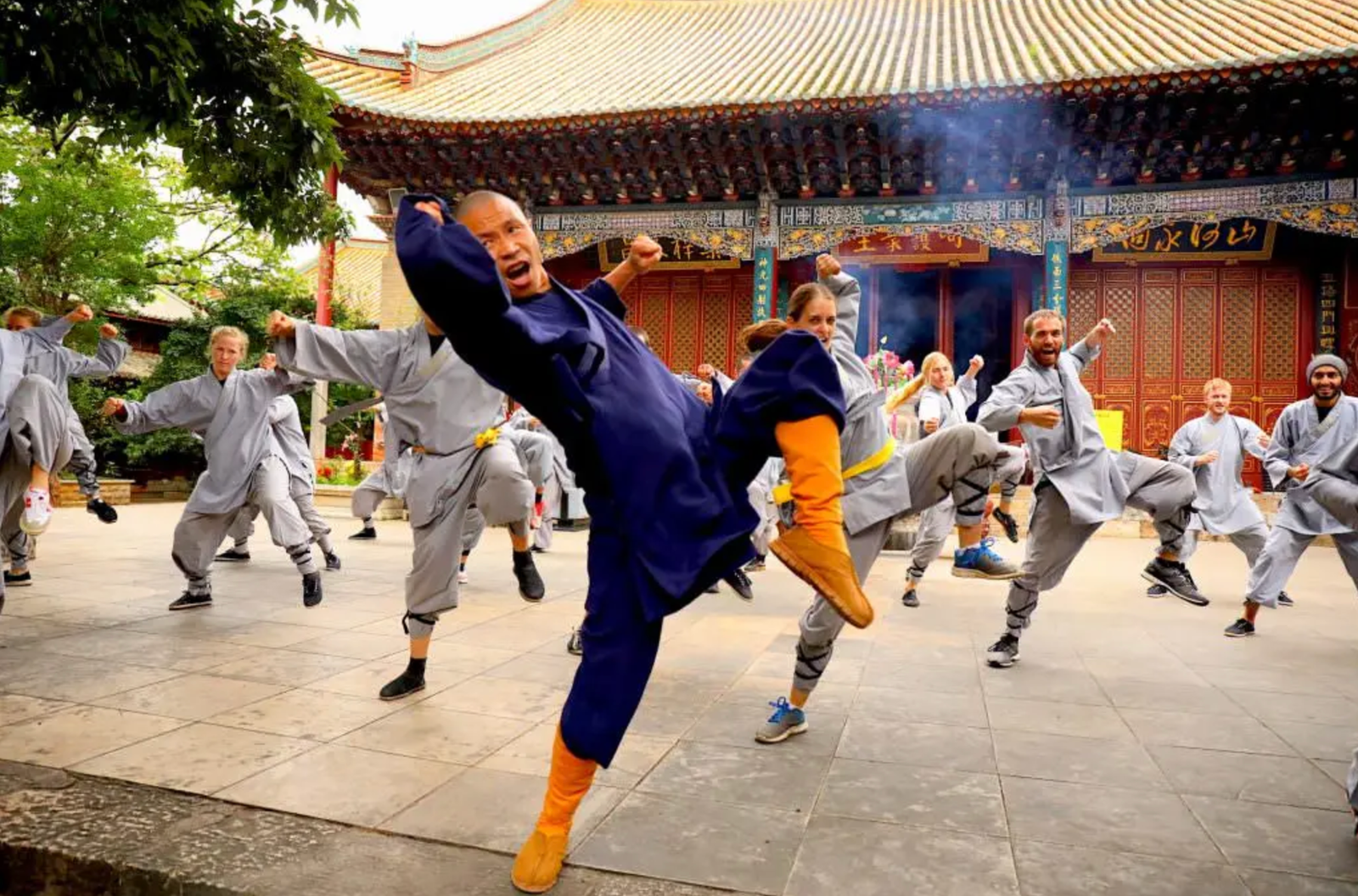
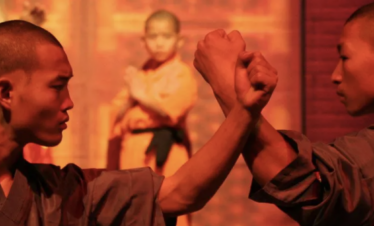
The deepest martial arts travel experiences share one thing in common: language. When you can understand your master’s corrections in Mandarin, hear the rhythm of a Japanese dojo in Japanese, or follow a Thai trainer’s commands in Thai, training stops being a class and becomes immersion — in the art, its history, and the culture that created it.
Combining martial arts training with language learning is one of the most effective — and most overlooked — ways to travel with purpose. Martial arts schools are natural language classrooms: instruction is physical, repetitive and contextual, so vocabulary sticks. You don’t just memorize words for “stance” or “punch” — you hold the stance and throw the punch while hearing them, session after session. Students consistently report that language learned this way, embedded in movement and daily routine, survives long after textbook learning fades.
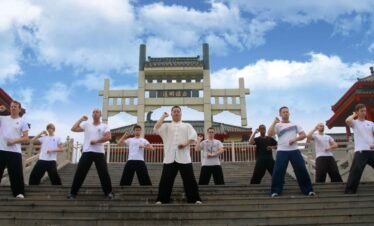
The model looks different around the world. In China, traditional kung fu schools have long offered Mandarin classes alongside full-time training — from free twice-weekly evening lessons to intensive half-day language programs — often paired with calligraphy, tea ceremony and martial theory. In Japan, visitors combine kendo, iaido or samurai sword experiences with Japanese study, where the etiquette and philosophy of budo become a doorway into the language. In Thailand, Muay Thai camps double as Thai-language immersion, with trainers’ commands, gym etiquette and the ritual of the sport itself teaching as much as any classroom.
The benefits extend far beyond the training hall. Language ability transforms the whole journey — market visits, temple stays, shared meals with training partners, and the off-mat friendships that become the real souvenir of a martial arts trip. It also changes how you’re received: a student who greets their master in their own language is no longer a tourist of the culture but a participant in it.
No prior language experience is needed. Most programs are built for absolute beginners and scale from a few polite phrases to serious study, with options for formal certification alongside your training.
Where to Combine Martial Arts Training with Language Learning
China: Mandarin + Kung Fu
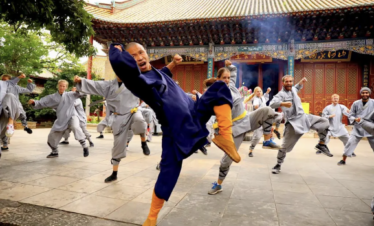
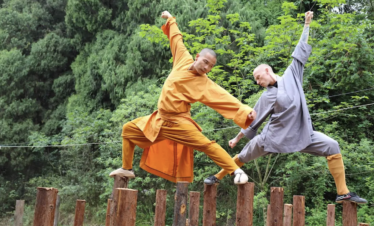
China offers the most established language-and-martial-arts programs in the world, with residential kung fu schools that have taught international students for decades.
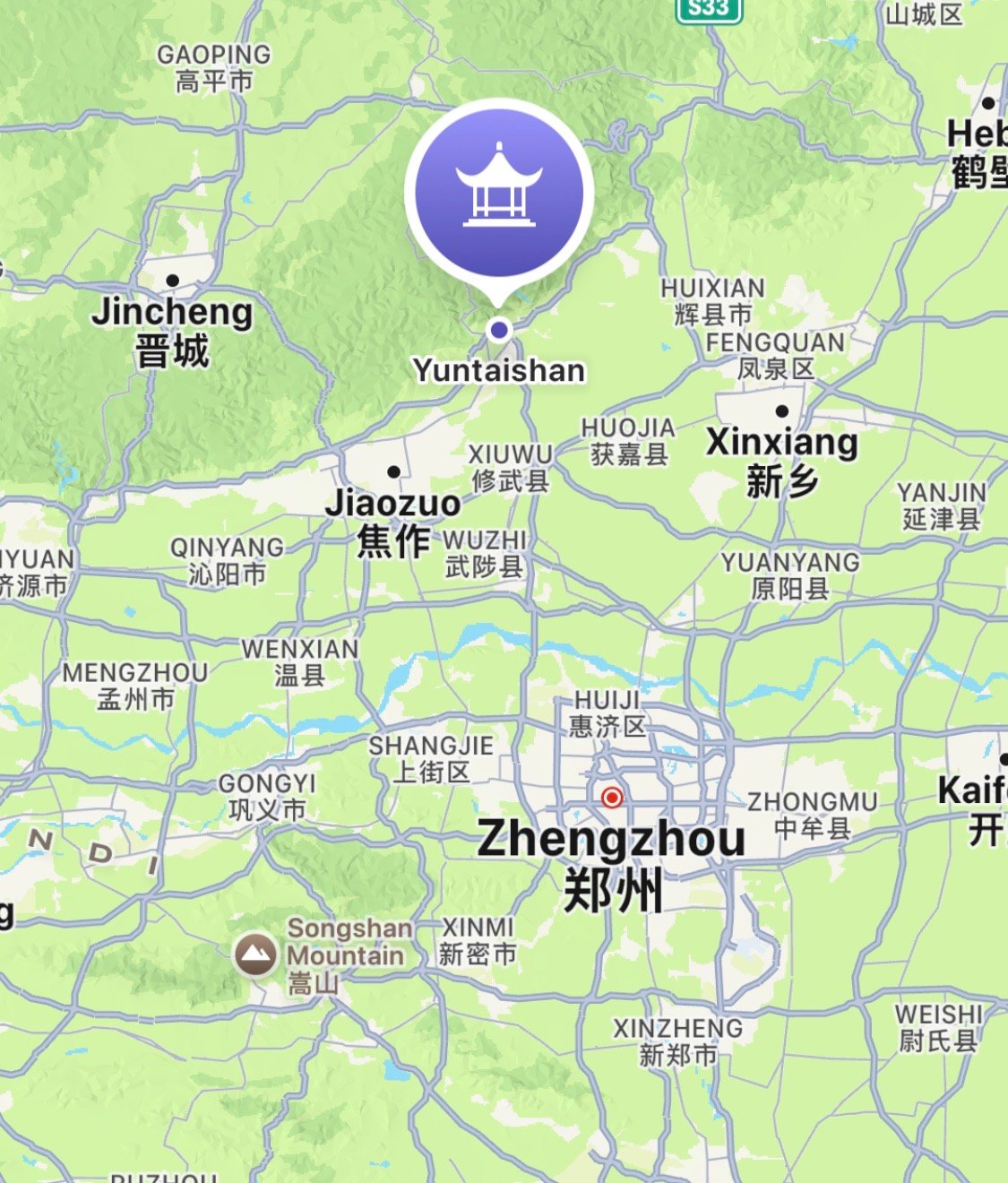
Yuntai Shan International Culture & Martial Arts School (Henan) — full-time kung fu training with free twice-weekly Mandarin lessons included; an optional half-time program combines half-day training with half-day intensive Mandarin study.
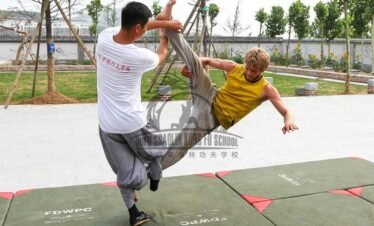
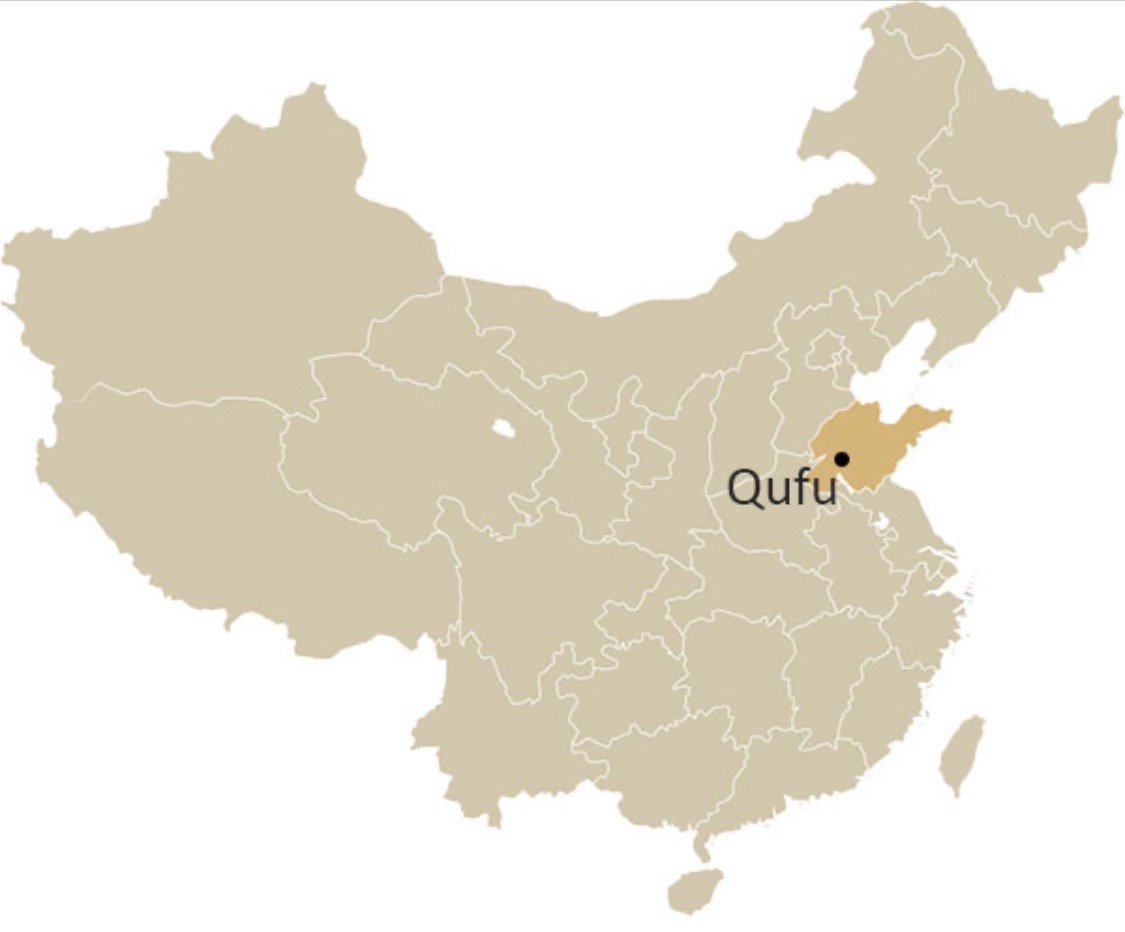
Qufu Shaolin Kung Fu School (Shandong) — free optional evening Mandarin classes alongside Shaolin Kung Fu, Sanda, Tai Chi and Qigong, with calligraphy, massage and Buddhism theory; academic Mandarin with HSK preparation can be arranged through a local university.
Shaolin Temple Training Center (Xingtai, Hebei) — Mandarin classes following the official HSK curriculum, two hours weekly, plus Monday–Thursday evening online culture classes in Mandarin, Chinese medicine and traditional culture; optional Chinese Culture and TCM certificates awarded alongside kung fu certification.
An Wushu (Shangdong) — split program combining kung fu training at the school with Mandarin classes at a local university, arranged through www.StudyMartialArts.Org alongside traditional styles including traditional kung fu and weapons training.
An Family Wushu — Beijing & Dezhou (Beijing and Shandong) — martial arts and cultural exchange camp combining family-lineage kung fu training in Dezhou with a Beijing orientation, with Mandarin woven into training and daily life, as a culture and language immersion.
Japan: Japanese + Budo
Japan’s options center on kendo and sword traditions, where the etiquette and philosophy of budo open a natural doorway into the language.
SAMURAI TRIP (Tokyo, Osaka, Kyoto, Fukuoka, Sapporo) — guided kendo experience tours with English-speaking instructors, kendo equipment workshops and Japanese culinary experiences; ideal for shorter stays.
Kendo Spirit Dojo (Tokyo) — ongoing kendo classes designed for international students with full English support, for those who want training beyond a single session.
Kyoto Kendo Experiences (Kyoto) — instruction from a warrior-lineage teacher covering kendo technique and bushido philosophy in English, with a strong cultural-history component.
Many long-stay visitors pair a Japanese language school in Tokyo or Kyoto with membership at a local dojo — the Japan Sport Agency’s budo tourism portal lists official experience programs nationwide.
Thailand: Thai + Muay Thai
Muay Thai camps in Bangkok, Phuket and Chiang Mai are immersive by nature: trainers coach in Thai, and the ritual, etiquette and commands of the sport teach the language from your first session.
Muay Thai camps with Thai-language components — a growing number of camps now bundle structured Thai lessons with training; specialized courses such as “Thai for Muay Thai” teach exactly the vocabulary fighters need, from equipment and commands to numbers and ring culture.
Program details change — confirm current schedules and pricing directly with each school before booking.
Frequently Asked Questions
Do I need to speak the language before I arrive?
No. Every program listed here is built for absolute beginners, and martial arts instruction itself is a language lesson — you learn by moving, not by memorizing.
How much language can I realistically learn during a short stay?
In a few weeks you can expect survival phrases, training vocabulary and solid pronunciation. In three to six months of the half-day programs, committed students reach conversational level — and can test for HSK certification in China.
Is the language learning formal or informal?
Both. Most schools include informal lessons woven into training; classroom-style courses with textbooks and exams are available at the more structured programs. Ask each school which model fits your goals.
Can I train martial arts without doing the language component?
Yes — language classes are optional add-ons almost everywhere. The combination is simply where the deepest experience lies.
Start Your Training — and Your Language Journey
Browse our partner schools to compare programs, or contact us if you’d like help choosing the right combination of style, duration and language intensity for your goals. We will provide you independent advice based on your goals. We are not a middle man we are your training partner and our focus is getting you to the right school based on your goals, funds available and time.
An Wushu