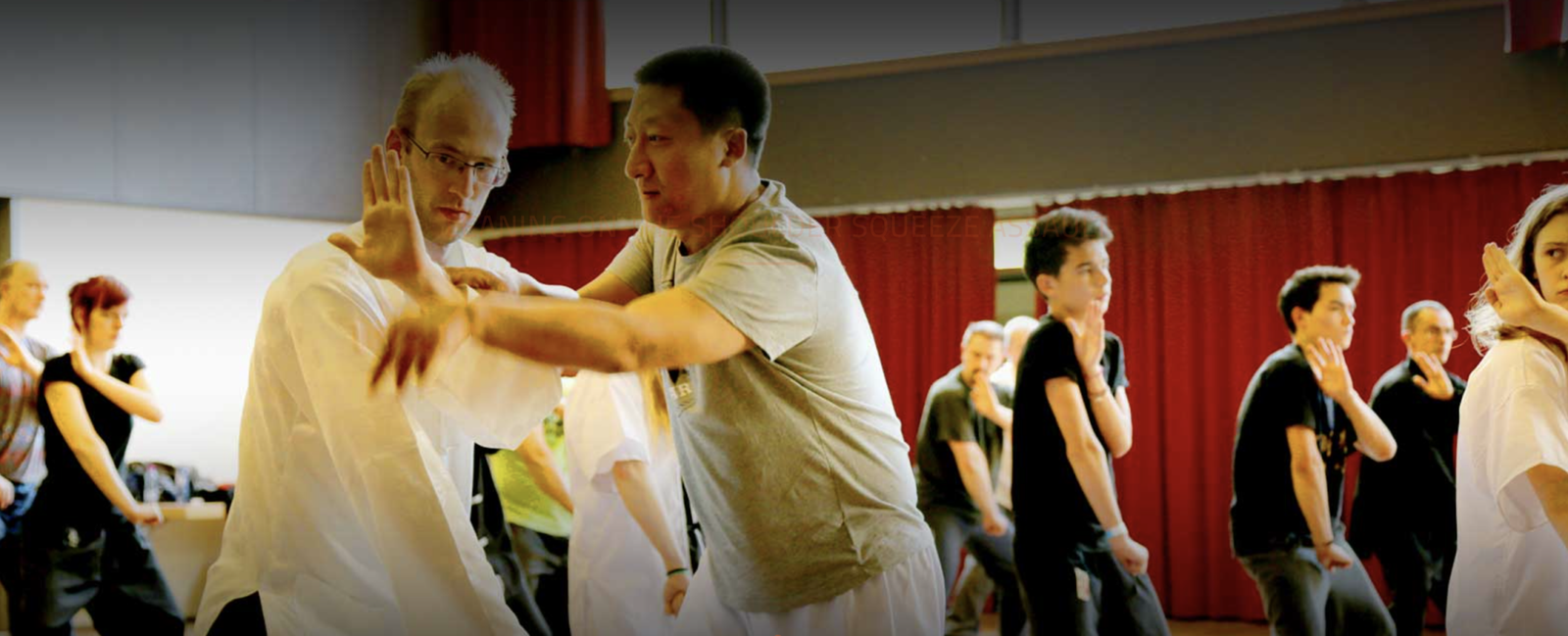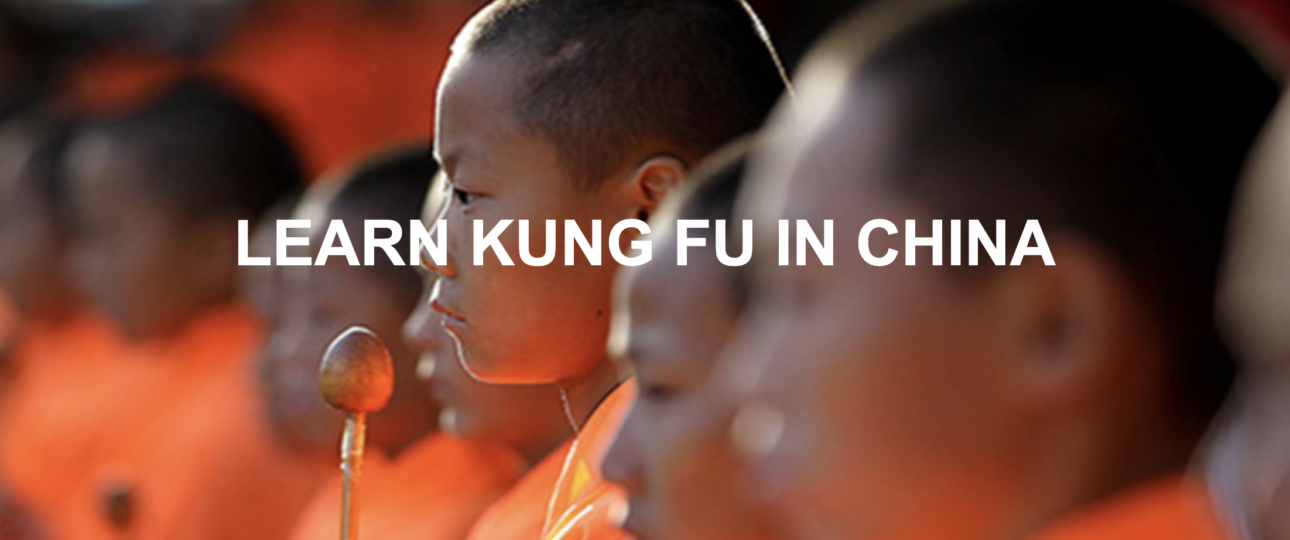
So you’re thinking about training kung fu in China. Good choice. This isn’t just about learning kicks and punches—it’s about stepping into a tradition that’s been refined for over 1,500 years. Here’s everything you need to know to plan your trip.
Learn Kung Fu in China: Cost Breakdown and What You’ll Actually Pay
Let’s be upfront: China is no longer the “cheap kung fu country” it used to be. Between 2000 and 2025, China’s GDP per capita increased more than tenfold, and living costs have risen by hundreds to thousands of percent. Schools that keep prices rock-bottom often cut corners—underpaid masters, poor hygiene, outdated equipment, or unsafe facilities.
Here’s what realistic 2026 pricing looks like:
Additional costs to budget for:
- Visa fees (check the 240-hour visa-free transit policy for Henan & Hubei if you’re staying short-term)
- Flights to China
- Local transport (train/bus to Dengfeng, Shiyan, or other training locations)
- School uniform (~$55)
- Personal expenses (phone, toiletries, weekend exploration)
- Travel insurance (highly recommended)
Pro tip: Many schools offer discounts for longer stays. Some reduce the monthly fee by $30–60 for each additional month you commit.
School Comparison: Shaolin vs. Wudang vs. Tai Chi
China offers three main martial arts traditions, and they’re genuinely different experiences:
Which should you choose?
- Choose Shaolin if you want intensity, physical transformation, and the “movie” experience.
- Choose Wudang if you’re more interested in internal arts, meditation, and Daoist philosophy.
- Choose Tai Chi if you’re a beginner, older, or want a health-focused practice.
You don’t have to pick just one—many travelers combine a day at Shaolin Temple with a short Tai Chi class elsewhere. But serious students (those staying for months) tend to commit to a single style at a single school.
What a Typical Day Looks Like
Kung fu training in China follows a disciplined, early-rising schedule. Here’s what you can expect:
Sample Daily Schedule (Shaolin School)
What Your First Month Actually Looks Like
Weeks 1–2: The Foundation
- Stretching & mobility – slow, deliberate, sometimes painful. Most students are shocked by how tight they are on day one
- Running & footwork – consistent, steady running to build cardiovascular endurance
- Stance training (horse stance, bow stance, etc.) – your legs shake, your back burns, and the master says one word: “Lower.”
Weeks 2–4: Building Muscle Memory
- Kicks – front, inside, outside, stretch kicks
- Punching drills – straight punches, hooks, uppercuts with leg work
- Jump conditioning – small, sharp jumps that build tendon strength and explosive power
- Core & lower back – sit-ups, leg raises, static holds
By week four, your body feels completely different. Your stances become stable, your breathing steadies, and your mind quietens. That’s the beginning of kung fu.
Note: Schedules vary by season and individual needs. Some schools offer extras like calligraphy, Mandarin, Traditional Chinese Medicine, or tea ceremony classes—but these usually need to be arranged in advance.
Who Is This For?
Absolute beginners? Yes. No prior experience is required. You’ll be guided step by step, learning fundamentals from the ground up. Progress comes from consistency, not from where you start.
Intermediate students? You’ll be challenged with new forms and higher intensity training.
Advanced practitioners? Many schools offer specialized training, advanced forms, and even optional “supreme techniques” like Iron Shirt, One Finger Chan, and Toad Skills.
Age range? Students range from 6 to 70 years old. Kung fu is suitable for all ages.
Fitness level? Training is physically demanding. If you’re in very poor health, you’ll struggle. But you don’t need to be an athlete beforehand—the training itself will build your fitness. Some schools recommend light preparation before arrival: running, swimming, sit-ups, and healthy eating.
What you won’t find: Mass-tourism academies where hundreds of students train at once. The real, authentic schools focus on personal development, not volume.
Best Time to Go
Spring (March – May) and Autumn (September – November) are the sweet spots. Temperatures are moderate, outdoor practice is comfortable, and you can train for longer sessions without extreme heat or cold.
A note on summer: Some traditional practitioners embrace the heat—”summer training builds flexibility” is a real philosophy. But if you’re not used to high humidity, spring or autumn is the smarter choice.
Ready to Book?
StudyMartialArts.org connects you with vetted, authentic kung fu schools across China. We handle the research so you can focus on the training. Contact us today for a free consultation—we’ll match you with the perfect program for your goals, fitness level, and budget.