China
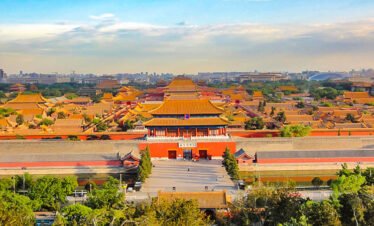
China, a vast and diverse country in East Asia, is celebrated for its rich history, stunning landscapes, and vibrant culture. As one of the world’s oldest civilizations, it features iconic landmarks like the Great Wall and the Forbidden City.
Home to over 1.4 billion people, China blends ancient traditions with modern advancements. Its geographical diversity includes mountains, rivers, and deserts, while its renowned cuisine offers a wide array of flavors. With a strong focus on innovation and economic growth, China stands as a global powerhouse.
Visitors can immerse themselves in a unique cultural tapestry, exploring traditional festivals alongside contemporary art scenes. Discover the wonders of China, where history and modernity coexist harmoniously.
Boxing
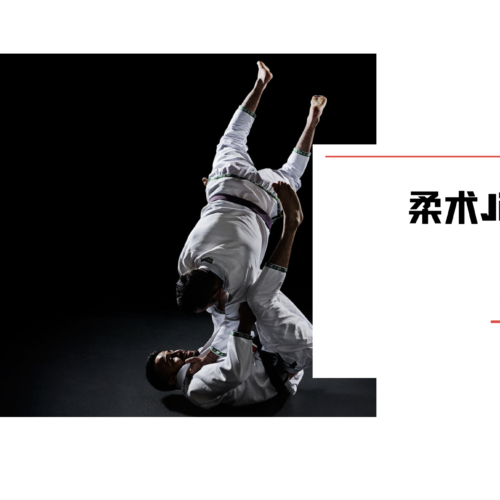
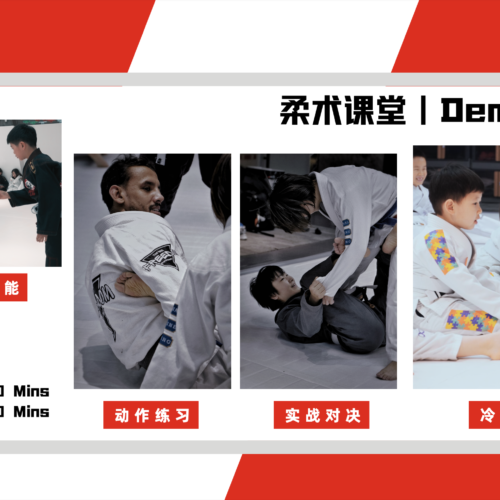
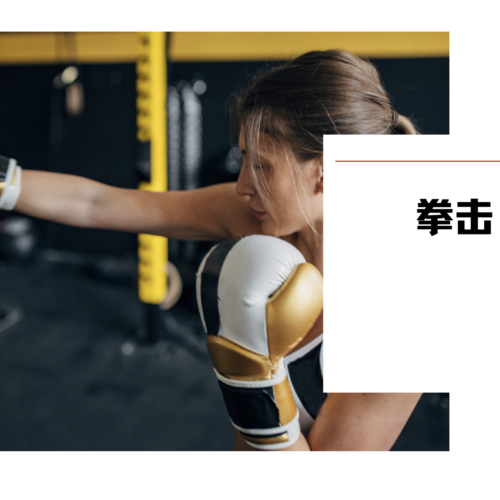
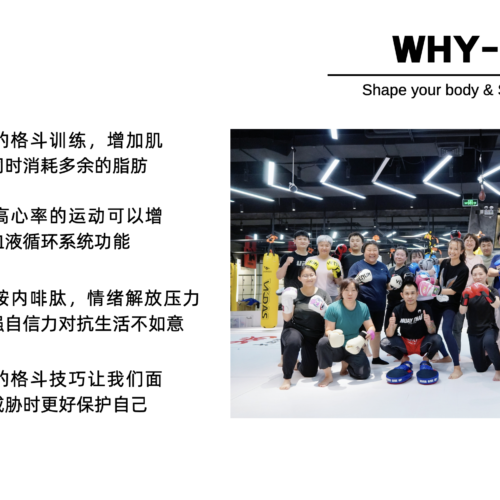


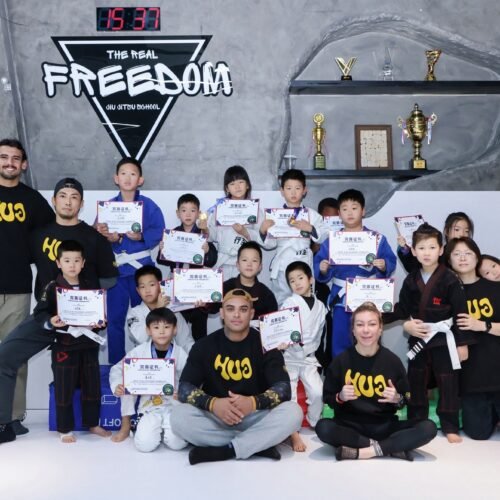
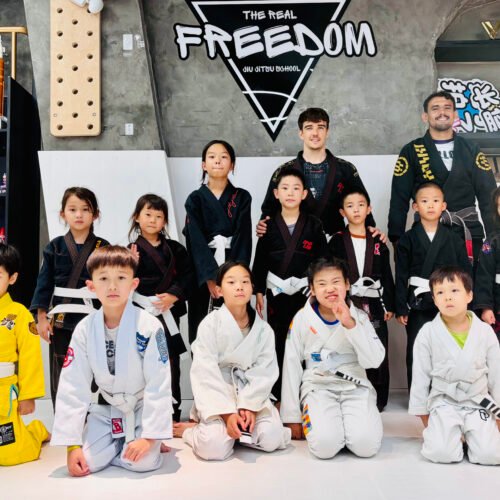
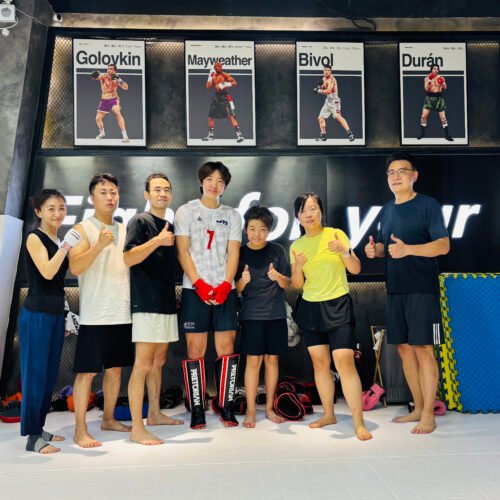
Chinese Martial Arts
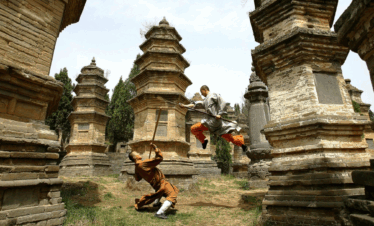
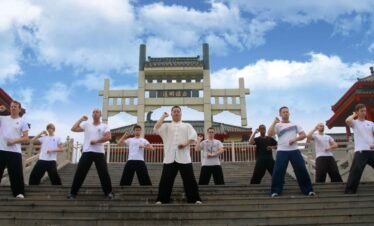
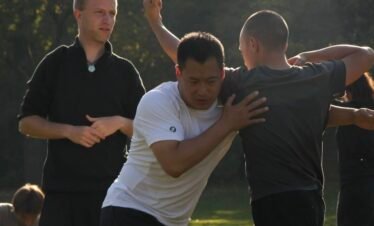
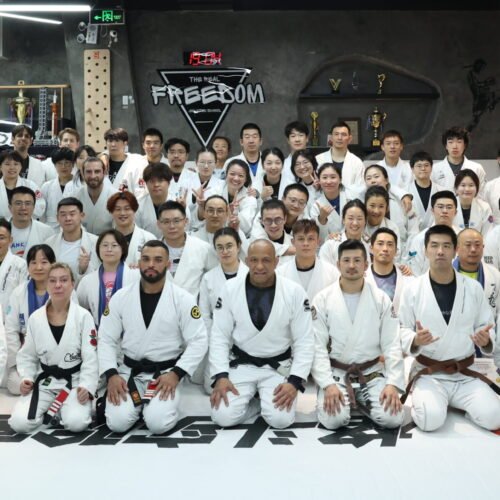
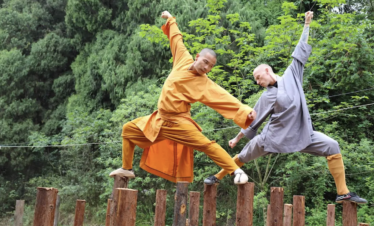
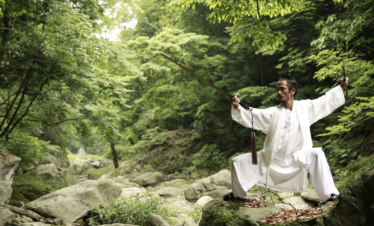
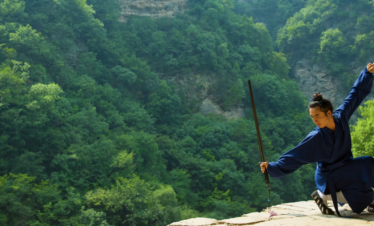
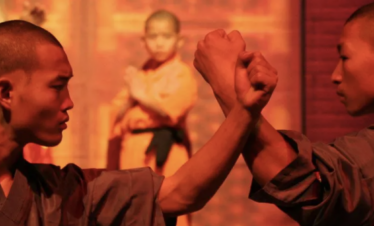
Chinese martial arts are deeply rooted in Chinese culture and history, reflecting centuries of philosophical thought and practical application. Each style, whether it’s the flowing sequences of Tai Chi, the explosive techniques of Wing Chun, or the powerful strikes of Hung Gar, carries its own set of principles and training methods that often draw from traditional Chinese medicine and philosophy.
Practitioners engage in rigorous training that emphasizes not only physical prowess but also mental focus and emotional balance. This holistic approach encourages a deeper connection between body and mind, fostering attributes such as patience, humility, and perseverance. Moreover, many martial arts schools incorporate elements of Chinese history, mythology, and spiritual teachings, enriching the learning experience.
As students progress, they often find that the lessons learned on the mat extend into everyday life, enhancing their ability to face challenges with confidence and grace. Whether for self-defense, fitness, or personal growth, Chinese martial arts provide a comprehensive framework for individuals seeking to improve their physical and mental well-being.
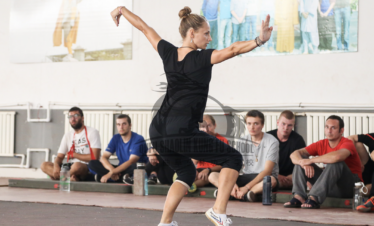
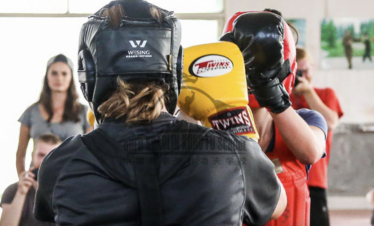
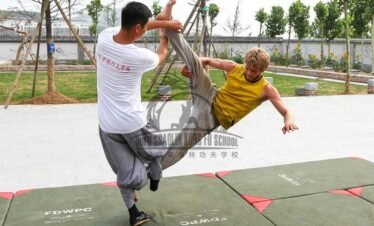

Martial Arts, Culture and Travel
A Journey of Discipline and Discovery
Martial arts are more than just physical combat—they are a gateway to understanding culture, history, and personal growth. For travelers seeking unique experiences, combining martial arts training with exploration offers a profound way to connect with local traditions. From the sacred dojos of Japan to the vibrant Muay Thai camps of Thailand, martial arts tourism is a growing trend that blends fitness, adventure, and cultural immersion.
The Cultural Roots of Martial Arts
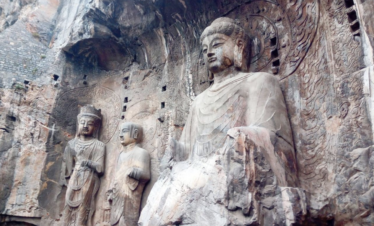
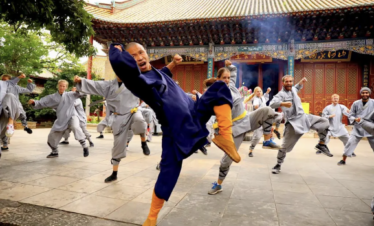
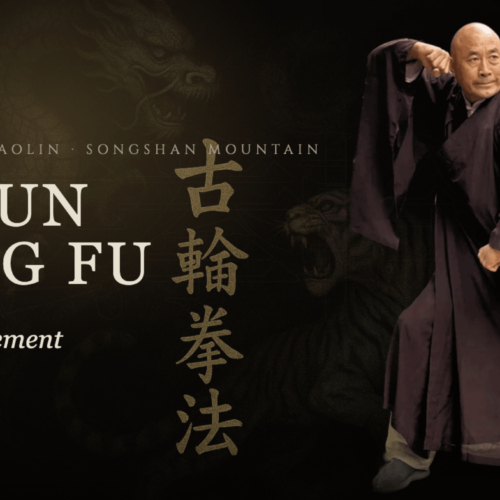
Every martial art carries the essence of its birthplace. In Japan, disciplines like Karate, Judo, and Kendo emphasize respect, discipline, and the samurai’s Bushido code. Training in a traditional dojo often includes bowing rituals and meditation, reflecting Zen Buddhist influences. Meanwhile, China’s Kung Fu—especially Shaolin styles—integrates Taoist and Buddhist philosophies, focusing on harmony between mind and body.
In Thailand, Muay Thai is more than a sport—it’s a national symbol. Fighters perform the Wai Kru dance before matches, paying respect to teachers and ancestors. Similarly, Brazil’s Capoeira blends martial arts, dance, and music, rooted in the resistance of enslaved Africans. Understanding these cultural layers enriches the training experience, turning each session into a lesson in history and tradition.
Top Destinations for Martial Arts Travel
Japan: The Way of the Warrior
Kyoto & Okinawa: Train in Karate’s birthplace or practice Kendo in historic dojos.
Tokyo: Experience Aikido or Judo at world-renowned schools like the Kodokan Institute.
Cultural Bonus: Attend a tea ceremony or visit a samurai castle to deepen your understanding of Bushido.
Thailand: The Art of Eight Limbs
Bangkok & Chiang Mai: Train at legendary Muay Thai camps like Fairtex or
Tiger Muay Thai.
Cultural Bonus: Witness a Muay Thai fight at Rajadamnern Stadium and explore Buddhist temples to see the spiritual side of the sport.
China: The Home of Kung Fu
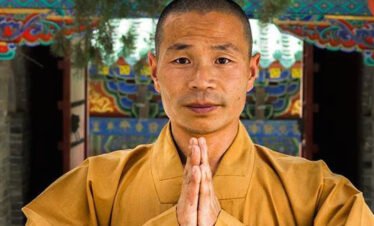
Shaolin Temple: Train with monks in the birthplace of Shaolin Kung Fu.
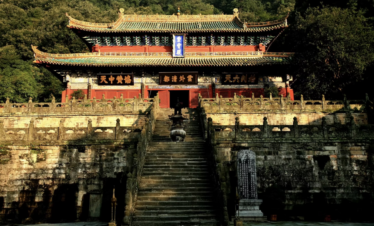
Wudang Mountains: Learn Tai Chi amid misty peaks and ancient Taoist temples.
Cultural Bonus: Participate in meditation sessions and explore the Great Wall for a full cultural experience.
Brazil: Rhythm and Combat
Salvador da Bahia: Immerse yourself in Capoeira, where martial arts meets Afro-Brazilian culture.
Rio de Janeiro: Train Brazilian Jiu-Jitsu (BJJ) where the Gracie family revolutionized combat sports.
Cultural Bonus: Join a Capoeira roda (circle) with live berimbau music and acrobatics.
How to Plan a Martial Arts Travel Experience
Choose Authentic Schools: Look for certified instructors with traditional teaching methods.
Combine Training with Sightseeing: Visit temples, historical sites, and local festivals.
Respect Local Customs: Learn basic etiquette, such as bowing in Japan or performing the Wai Kru in Thailand.
Why Martial Arts Travel is Transformational
Training in martial arts while traveling is more than a workout—it’s a journey into discipline, culture, and self-discovery. Whether you’re meditating with Shaolin monks, sparring in a Thai gym, or dancing Capoeira on a Brazilian beach, these experiences create lifelong memories and a deeper connection to the world.
Ready to begin your martial arts adventure? Pack your gear, book your trip, and step onto the mat of a new cultural experience!
Muay Thai
Why You Should Learn Muay Thai: The Art of Eight Limbs
Introduction to Muay Thai
Muay Thai, also known as the “Art of Eight Limbs,” is a powerful and dynamic martial art originating from Thailand. It utilizes punches, kicks, elbows, and knee strikes, making it one of the most effective striking-based combat sports in the world. Whether you’re looking to improve fitness, learn self-defense, or compete professionally, Muay Thai offers numerous physical and mental benefits.
In this comprehensive guide, we’ll explore why you should learn Muay Thai, its benefits, and how it can transform your life.
Muay Thai for Self-Defense
One of the biggest reasons to learn Muay Thai is its effectiveness in real-life self-defense situations. Unlike many traditional martial arts, Muay Thai focuses on practical striking techniques that can neutralize threats quickly.
Why Muay Thai is Effective for Self-Defense:
Uses All Limbs: Punches, kicks, elbows, and knees provide multiple attack options.
Clinch Fighting: Teaches close-range combat control, essential for real confrontations.
Conditioning: Builds toughness to withstand strikes and counter effectively.
Situational Awareness: Training sharpens reflexes and reaction time.
If you want a martial art that prepares you for real-world scenarios, Muay Thai is an excellent choice.
Full-Body Workout & Fitness Benefits
Muay Thai is one of the best workouts for burning calories, building strength, and improving cardiovascular health. A single session can burn 800-1,000 calories, making it ideal for weight loss and muscle toning.
Physical Benefits of Muay Thai:
Cardiovascular Endurance: High-intensity training improves heart health.
Strength & Power: Develops explosive power in strikes and core stability.
Flexibility & Mobility: Kicks and defensive movements increase agility.
Fat Loss & Muscle Definition: Intense drills promote lean muscle growth.
Whether your goal is weight loss or athletic performance, Muay Thai delivers a complete fitness solution.
Mental Toughness & Discipline
Beyond physical strength, Muay Thai builds mental resilience. The rigorous training pushes practitioners beyond their limits, fostering discipline, focus, and confidence.
Mental Benefits of Muay Thai:
Stress Relief: Striking pads and sparring release endorphins, reducing anxiety.
Discipline & Consistency: Regular training instills a strong work ethic.
Confidence Boost: Mastering techniques enhances self-assurance.
Mental Clarity: Improves focus and decision-making under pressure.
The mental fortitude gained from Muay Thai translates to all areas of life, from work to personal challenges.
Competitive Opportunities
For those interested in competition, Muay Thai offers amateur and professional fighting circuits worldwide. From local smoker fights to international championships, there are opportunities for all skill levels.
Why Compete in Muay Thai?
Test Your Skills: Sparring and fights push your abilities to the next level.
Build a Fighter’s Mindset: Develops courage, strategy, and adaptability.
Earn Recognition: Competing can lead to titles and professional opportunities.
Join a Global Community: Muay Thai has a passionate, supportive network.
Even if you don’t want to fight, training like a competitor enhances your technique and fitness.
Cultural Experience & Tradition
Muay Thai is deeply rooted in Thai culture and has centuries of history. Learning it connects you to a rich martial arts tradition, including the Wai Kru (pre-fight dance) and respect for trainers (Kru).
Cultural Aspects of Muay Thai:
Wai Kru Ram Muay: A ceremonial dance showing respect to teachers and ancestors.
Sacred Armbands (Prajioud): Worn for protection and honor.
Traditional Music (Sarama): Live music accompanies fights, setting the rhythm.
Training in Muay Thai isn’t just about fighting—it’s about embracing a warrior’s heritage.
Social Benefits & Community
Joining a Muay Thai gym introduces you to a supportive community. Training partners motivate each other, creating lifelong friendships.
Social Perks of Muay Thai:
Teamwork & Camaraderie: Partner drills build trust and teamwork.
Diverse Community: Gyms welcome all ages, genders, and fitness levels.
Accountability: Training with others keeps you committed.
The bonds formed in Muay Thai extend beyond the gym, offering a strong social network.
Adaptable for All Ages & Fitness Levels
Muay Thai is not just for elite fighters—it’s accessible to everyone. Whether you’re a beginner or an athlete, trainers tailor workouts to individual needs.
Who Can Train Muay Thai?
Kids & Teens: Improves discipline, fitness, and confidence.
Adults: Great for stress relief and staying in shape.
Seniors: Modified training enhances mobility and strength.
No matter your age or fitness level, Muay Thai can be adjusted to suit your capabilities.
Improves Coordination & Reflexes
Muay Thai sharpens hand-eye coordination, balance, and reaction time. The combination of strikes, footwork, and defensive maneuvers enhances overall athleticism.
How Muay Thai Enhances Coordination:
Striking Combinations: Improves timing and precision.
Footwork Drills: Enhances agility and balance.
Defensive Techniques: Blocks, parries, and dodges train quick reflexes.
These skills benefit other sports and daily activities, making Muay Thai a well-rounded discipline.
Builds Confidence & Empowerment
Learning self-defense and mastering techniques naturally boosts confidence. Many practitioners report increased self-esteem and a more assertive mindset.
How Muay Thai Builds Confidence:
Self-Defense Skills: Knowing you can protect yourself is empowering.
Achieving Milestones: Progressing in skill levels fosters pride.
Overcoming Challenges: Pushing through tough workouts builds mental strength.
Confidence gained in the gym carries over into personal and professional life.
10. Fun & Engaging Way to Stay Fit
Unlike monotonous gym routines, Muay Thai is exciting and dynamic. Each session brings new challenges, keeping workouts fresh and motivating.
Why Muay Thai is Fun:
Varied Workouts: Pad work, bag drills, sparring, and conditioning.
Skill Progression: Constantly learning new techniques.
Energetic Environment: Gyms are lively and motivating.
If you dislike traditional exercise, Muay Thai offers a thrilling alternative.
Conclusion: Why You Should Start Learning Muay Thai Today
Muay Thai is more than just a martial art—it’s a lifestyle that transforms your body, mind, and spirit. From self-defense and fitness to mental toughness and cultural appreciation, the benefits are endless.
Ready to Begin Your Muay Thai Journey?
Find a reputable gym near you.
Invest in quality gear (gloves, hand wraps, shin guards).
Commit to consistent training.
Whether for health, competition, or personal growth, Muay Thai equips you with skills that last a lifetime. Start training today and unleash your potential!
School and Education Programs
Explore Martial Arts, Culture, Ancient Civilization, Buddhism, Zen, Taoism, and Traditional Music for School and Education Programs: Unforgettable School and Education Programs
Embarking on a school education program that explores the rich tapestry of martial arts, culture, Buddhism, Taoism, and music offers students a unique educational experience. This journey not only broadens their horizons but also fosters personal growth, cultural understanding, and appreciation for diverse philosophies. Here’s a comprehensive overview of what students can expect from this immersive trip, designed to inspire and educate.
The Essence of Martial Arts
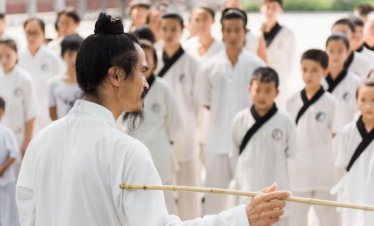
Martial arts are more than just physical combat techniques; they embody a philosophy of discipline, respect, and self-improvement. Students will have the opportunity to engage in hands-on training sessions led by experienced instructors in various martial arts styles, such as Kung Fu, Karate, and Taekwondo.
Benefits of Martial Arts Training
Discipline and Focus: Practicing martial arts requires concentration and dedication, helping students develop a strong sense of discipline.
Physical Fitness: Engaging in martial arts promotes physical health, enhancing strength, flexibility, and coordination.
Self-Defense Skills: Learning martial arts equips students with valuable self-defense techniques, boosting their confidence and personal safety.
Cultural Appreciation: Each martial art has its roots in specific cultural traditions, allowing students to gain insights into the history and philosophy behind their practice.
Cultural Exploration
Cultural immersion is a cornerstone of any educational trip. Students will explore local customs, traditions, and languages, enriching their understanding of the world.
Key Cultural Activities
Local Cuisine: Students will have the chance to participate in cooking classes, learning to prepare traditional dishes that reflect the region’s culinary heritage.
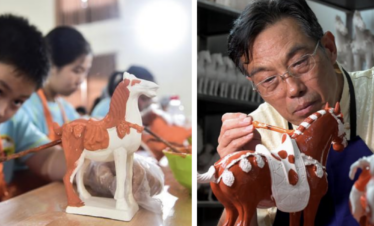
Art and Craft Workshops: Engaging in local art forms, such as calligraphy or traditional painting, allows students to express their creativity while learning about cultural significance.
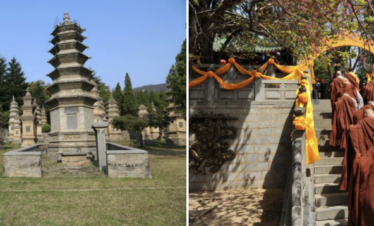
Historical Sites: Visits to temples, shrines, and historical landmarks provide context for the cultural practices they encounter, deepening their appreciation for the region’s history.
Understanding Buddhism
Buddhism offers profound insights into life, mindfulness, and compassion. Students will visit significant Buddhist sites, such as temples and monasteries, where they can learn about the core teachings of Buddhism.
Key Learning Outcomes
Mindfulness Practices: Students will engage in mindfulness meditation sessions, fostering a sense of inner peace and awareness.
Philosophical Discussions: Discussions with monks or scholars can provide valuable perspectives on Buddhist philosophy, ethics, and its relevance in today’s world.
Cultural Rituals: Observing or participating in traditional rituals offers students a firsthand understanding of Buddhist practices and their significance.
Discovering Taoism
Taoism is another vital aspect of Eastern philosophy, emphasizing harmony with nature and the universe. Students will have the opportunity to explore Taoist principles through various activities.
Key Activities
Nature Walks: Guided nature walks encourage students to connect with the natural world, reflecting Taoist beliefs about harmony and balance.
Taoist Philosophy Workshops: Workshops led by knowledgeable instructors will delve into the foundational texts of Taoism, such as the Tao Te Ching, fostering critical thinking and discussion.
Tai Chi Classes: Practicing Tai Chi allows students to experience the physical embodiment of Taoist principles, promoting relaxation and balance.
Immersive Music Programs
Music is a universal language that transcends cultural boundaries. Students will have the chance to engage in music programs that explore traditional instruments, rhythms, and styles unique to the region.
Key Music Activities
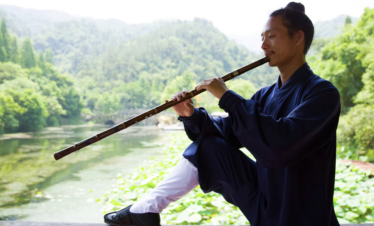
Instrument Workshops: Students can learn to play traditional instruments, such as the erhu or guzheng in China, or the shamisen in Japan. These hands-on experiences deepen their appreciation for local musical traditions.
Cultural Performances: Attending live performances showcases the rich musical heritage of the region, allowing students to appreciate the artistry and cultural significance of music.
Collaborative Music Sessions: Students may participate in collaborative music-making sessions, blending their musical backgrounds with local traditions, fostering creativity and cooperation.
Benefits of the Trip
This multi-faceted trip offers numerous benefits for secondary school students, enhancing their personal and academic growth.
1. Cultural Awareness
Exposure to diverse cultures fosters empathy and understanding, helping students develop a global perspective that is increasingly vital in today’s interconnected world.
2. Personal Development
Engaging in martial arts, philosophy, and music encourages students to step outside their comfort zones, building confidence and resilience.
3. Teamwork and Collaboration
Group activities and workshops promote teamwork, communication, and collaboration, essential skills for success in any field.
4. Lifelong Learning
The knowledge and experiences gained during this trip can inspire a lifelong passion for learning about different cultures, philosophies, and practices.
Preparing for the Journey
To ensure a successful and enriching experience, schools should consider the following preparations:
1. Research and Planning
Thorough research on the destinations, activities, and cultural practices will help students understand what to expect and enhance their engagement during the trip.
2. Pre-Trip Workshops
Organizing pre-trip workshops can provide students with foundational knowledge about martial arts, Buddhism, Taoism, and music, preparing them for the experiences ahead.
3. Cultural Sensitivity Training
Teaching students about cultural sensitivity and respect will enhance their interactions with local communities, fostering mutual understanding.
Conclusion
A secondary school trip focused on martial arts, culture, Buddhism, Taoism, and music provides a unique and transformative experience for students. By engaging in hands-on activities, exploring diverse philosophies, and immersing themselves in rich cultural traditions, students will return home with expanded horizons and a deeper appreciation for the world around them. This journey not only enriches their education but also inspires personal growth and a lifelong passion for learning. Embrace the opportunity to explore, learn, and grow through this unforgettable adventure!