
Training Baji Quan in China
When I started looking for a place to study traditional Chinese martial arts in China, I had two requirements that most kung fu schools could not meet: the training had to be authentic, and I had to be able to eat halal and pray without difficulty. What I found at the Baji Quan International Training Center in Mengcun surprised me, because it did not just meet those requirements. It showed me that the art I had come to learn was, in a meaningful sense, partly my own heritage.
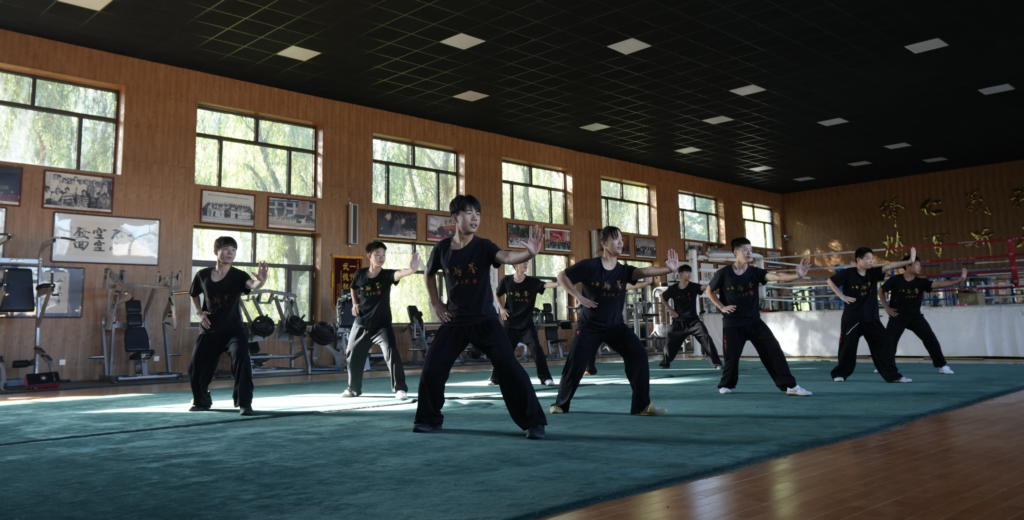
Baji Quan was founded by Wu Zhong, a Hui Muslim martial artist, in Mengcun during the Qing dynasty. The masters who guide the school today, Grandmaster Wu Lianzhi and his son Master Wu Dawei, are direct descendants of that Hui lineage — Wu Lianzhi is officially recognized by the Chinese government as the National Intangible Cultural Heritage representative inheritor of the art. The school’s own classical training principles, the Six Training Methods and Eight Essentials, are documented as blending Confucian, Taoist, and Buddhist thought with Islamic philosophy. I did not expect to find an Islamic thread running through a Chinese kung fu lineage, but it is real, and the masters speak about it with quiet pride rather than as a marketing point.
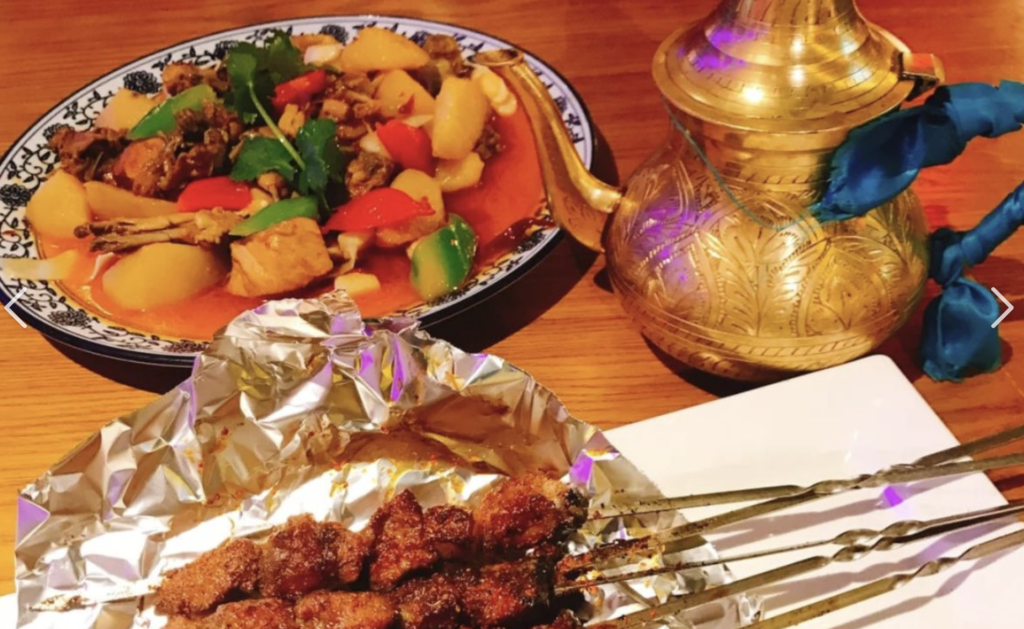
Just as important for a Muslim traveler is where the school sits. Mengcun is a Hui Autonomous County, one of the largest Hui communities in Hebei Province, with around thirty percent of the population being Hui Muslim. The county has dozens of mosques, including historic Ming-era mosques in Mengcun town itself, and halal food is not a special request here — it is simply how the county eats. The campus dining hall serves halal meals as a matter of course, local restaurants are halal by default, and the county’s famous braised beef is itself a protected provincial heritage craft. On Fridays I was able to attend Jumu’ah prayers at a local mosque a short distance from campus, and the local Muslim community was welcoming and genuinely curious about a foreign Muslim who had come to learn Wu Zhong’s art.
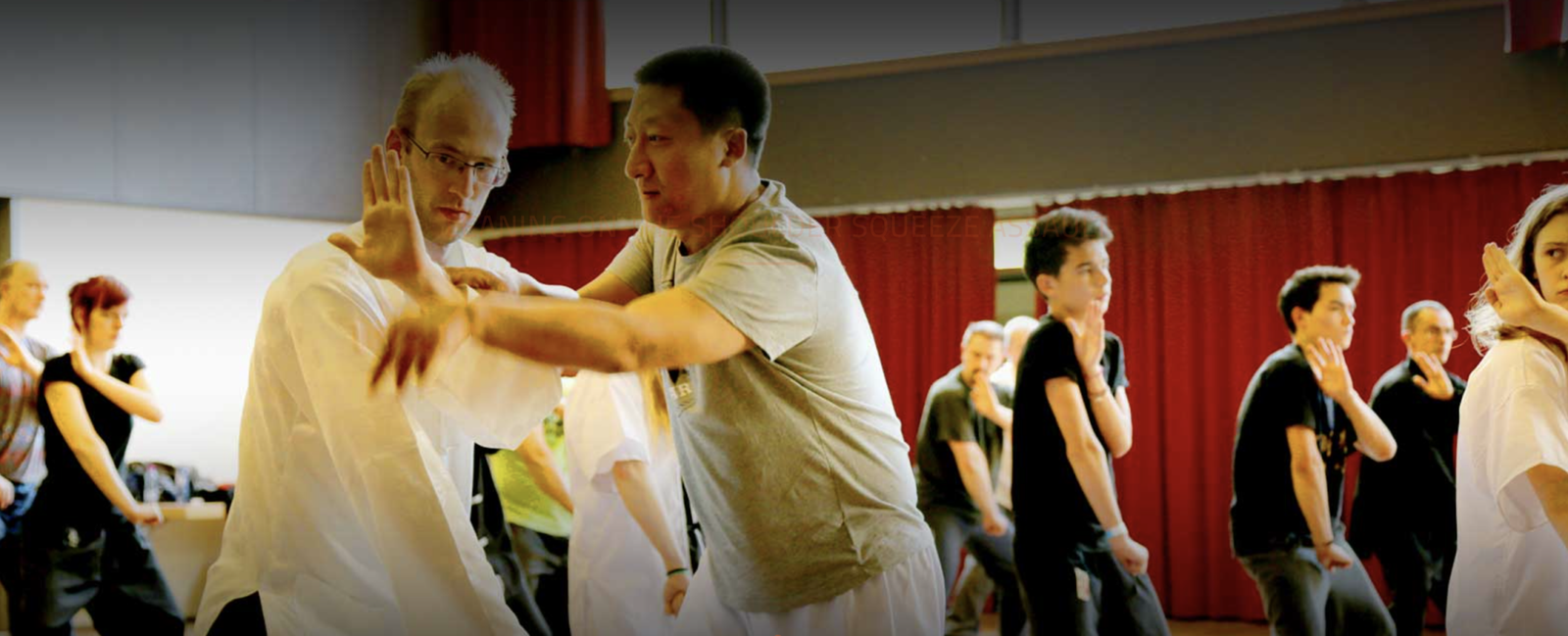
Now to the training itself, because none of the cultural comfort would matter if the kung fu were not real. It is real. My days followed a simple rhythm: fundamentals in the morning — stances, the single techniques like Cheng Chui and Fu Hu, and the internal post work that looks easy and is not — then forms, weapons, or combat application later in the day. The instruction is detailed and old-fashioned. Coaches correct your structure with their hands, not with speeches. If you have trained Baji before, you will immediately notice the difference in how the power methods are taught here. If you have not, trust that the version you learn first is the version that has been passed down through eight generations of the same family, unchanged.
The conditioning deserves an honest word. Baji’s famous body-striking post work is hard. It is supposed to be hard. I ached for the first weeks, and I considered that a good sign. The masters watch carefully and will not let you hurt yourself, but they will also not let you be lazy.
What about the downsides? I will be straightforward, as a Muslim traveler should be. Mengcun is a small county, not a tourist city. There is little nightlife, little English spoken outside the school, and the campus is comfortable but functional rather than luxurious. Northern Hebei’s winter is genuinely cold, and the heating season can bring haze. And while the Hui community is welcoming, you are still a foreigner in rural China — patience, humility, and a few words of Mandarin will take you further than any expectation of Western-style service. One practical note: hospitality in this region can involve strong local liquor being offered at restaurants, even in a Hui county. A polite refusal with a smile has always been accepted in my experience, and the school staff understand completely.
Who is this experience for? If you are a Muslim martial artist, or simply a martial artist who values authenticity, this is arguably the most natural fit in China: a genuinely halal environment, a lineage founded by a Muslim, masters who embody both faith and art, and training that will change how you move and how you understand power. If you are looking for a martial arts holiday with sightseeing and comfort, look elsewhere.
I came for the kung fu and stayed for both the kung fu and the belonging. That is the honest summary. When you train Baji Quan in Mengcun, you are not a guest of a business. You are, in the oldest sense of the word, a student of a family — and for a Muslim, that family tree includes names like Wu Zhong, which makes the experience feel less like traveling to a foreign art and more like returning to a branch of your own.
